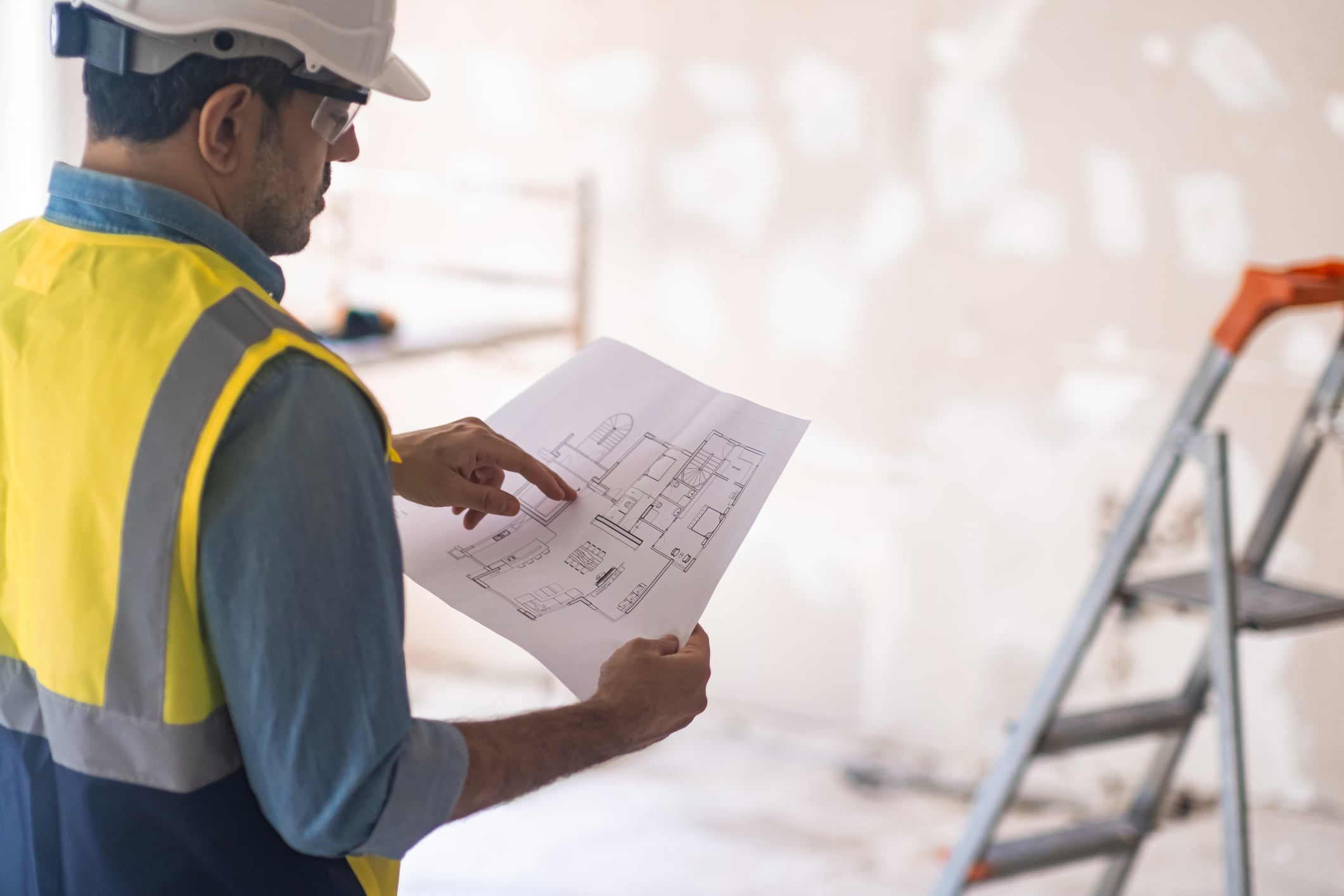
Hiring a commercial contractor doesn't mean handing over the keys and disappearing until opening day…

How Early Should Michigan Businesses Plan Construction?
A business owner may choose an opening date and assume construction planning can wait until a few months before crews are needed. That countdown often leaves out half the job.
Michigan construction planning may need to begin months before groundbreaking because design, permits, budgeting, material orders, and seasonal conditions all take time. The date crews arrive is only one part of the schedule. Your move-in, expansion, or opening date must also leave room for every decision and approval that comes first.
What Michigan Businesses Should Know at a Glance
- Work backward from your opening or move-in date, not the hoped-for groundbreaking date.
- Permit reviews can take longer when plans are incomplete or need changes.
- Michigan weather can affect site work, deliveries, and the order of construction tasks.
- Some materials must be selected and ordered months before crews need them.
- Early contractor input can catch cost and schedule problems while changes are still easier to make.
How Early Should Michigan Businesses Start Construction Planning?
A business should speak with a commercial contractor once the project goal, possible site, or opening date becomes serious. You don’t need a finished set of drawings for that first meeting.
The full timeline may include site checks, design, engineering, cost planning, permits, material orders, construction, inspections, and final setup. Each part needs its own space on the calendar. Skip one, and the pressure moves somewhere else.
A small office renovation may move faster than a new industrial building. A retail build-out inside an existing property will also have different needs than a ground-up medical facility. This is why one standard timeline rarely works.
The safest approach is simple. Start the conversation before the schedule feels urgent.
Why Should You Plan Backward From the Opening Date?
Planning backward shows how much time the project truly needs.
Suppose a retailer wants to open before the holiday rush. The owner must allow time for final inspections, shelving, staff setup, construction, material delivery, permits, and design. Groundbreaking sits somewhere in the middle of that path. It is not the first step.
The same rule applies to a warehouse expansion tied to a new contract or an office move linked to an expiring lease. The business deadline should shape the schedule early. Waiting until the date feels close can force rushed choices, extra costs, or a painful change in plans.
What Happens Before Commercial Construction Begins?
A lot may happen before the first excavator or work truck reaches the site.
The team may review the property, check zoning, study utility access, develop drawings, estimate costs, and speak with local officials. Those steps can look slow because there is no visible building yet. Still, this early work often decides whether the project runs cleanly or spends months fixing preventable problems.
How Do Early Site Reviews Shape the Project?
The right site must support the way the business plans to use it.
Early reviews may look at parking, access, utilities, drainage, setbacks, soil conditions, and the effect of construction on nearby operations. An existing building may also need a closer look at its structure, electrical service, mechanical systems, and code needs.
A property can seem perfect during a quick visit but create trouble once design work begins. Perhaps delivery trucks cannot turn safely. Maybe the planned addition sits too close to a property line. Finding that out early is frustrating. Finding it after months of design is worse.
Why Must Design and Budgeting Move Together?
Every design choice affects cost, schedule, and how the building will perform.
A finish may look great but carry a long lead time. A layout change may require more structural work. A mechanical choice may affect ceiling space, electrical needs, and permit drawings.
With commercial design-build services, construction input can become part of the design process early. Architects, engineers, and builders can compare ideas against real pricing, site needs, and material availability before the plans become hard to change.
That does not mean cutting every good idea to save money. It means knowing what each choice will cost before it becomes a surprise.
Why Can Michigan Permitting Take Longer Than Expected?
A commercial permit is rarely one form that receives a quick stamp.
Plans may need review for zoning, building code, fire safety, accessibility, utilities, electrical work, mechanical systems, and stormwater needs. The exact process depends on the project and the local office handling it.
Michigan requires permit applications to go through the proper enforcing agency before construction begins. The state or a local government may oversee the process, depending on the area. You can review general requirements through Michigan LARA’s building permit information.
What Can Slow the Approval Process?
Missing details can stop a review cold.
A reviewer may ask for added drawings, calculations, product information, or changes needed to meet code. The design team then has to respond and submit the updated information. If several departments are involved, one correction may affect another part of the plan.
The point of plan review is to catch safety and code problems before they reach the jobsite. That is useful. But it still needs time in the schedule.
The Michigan LARA plan review guide gives owners a clearer picture of how formal review works. A contractor familiar with local processes can also help the team prepare a more complete submission and respond when questions come back.
 How Does Michigan Weather Affect Construction Scheduling?
Michigan weather doesn’t shut down every commercial project during winter. But it can change how work is timed, priced, protected, and carried out.
Frozen ground may affect excavation. Cold temperatures can change how concrete, coatings, roofing materials, and sealants are handled. Snow and spring rain may slow deliveries or make parts of the site harder to reach.
The problem is not limited to one bad snow day. Weather can affect a chain of tasks.
For example, late site work may delay foundations. That may delay framing, enclosure, interior trades, and inspections. A small shift at the start can travel through the whole schedule.
Can a Contractor Plan Around a Michigan Winter?
Yes, but the plan has to be realistic.
A contractor may schedule weather-sensitive work earlier, protect materials, use temporary heat, or try to enclose the building before colder months arrive. The team may also add reasonable weather time instead of building the whole schedule around perfect conditions.
Climate records from the National Weather Service in Detroit and National Weather Service in Grand Rapids show why projects in Southeast and Southwest Michigan need seasonal planning.
Good planning will not control the weather. It can keep one rough week from wrecking the entire job.
Why Do Material Lead Times Start the Clock Early?
Some materials must be selected long before crews need them.
The lead time may include pricing, product selection, shop drawings, approval, manufacturing, shipping, and delivery. A product listed as available may still take weeks or months to reach the site once every step is counted.
Long-lead items may include:
- Electrical equipment
- Structural components
- Mechanical units
- Custom doors and windows
- Specialty finishes
- Project-specific fixtures
Availability changes with the supplier, product, season, and demand. Not every item will cause a delay. Still, waiting too long to ask is a gamble.
What Happens When Long-Lead Items Are Found Too Late?
A missing product can leave completed work sitting idle.
A building may be ready for a main electrical component, but the next phase can’t move ahead if that equipment is still being made. Crews may shift to other work for a while. At some point, though, the missing item becomes a wall.
Early purchasing gives the team more choices. They may compare similar products, adjust the order of work, or lock in delivery before the schedule becomes tight. Late purchasing offers fewer good options and more bad ones.
How Does Early Contractor Involvement Improve the Timeline?
Bringing a contractor into the process early gives the design team current information about costs, site conditions, scheduling, and product availability.
This matters because plans can look perfect on a screen and still create trouble in the field. A contractor may spot a detail that is hard to build, a material that will not arrive in time, or an access issue that makes installation harder than expected.
Those conversations are much easier before the drawings are finished.
Can Early Input Catch Problems Before Final Design?
Yes. That is one of its biggest benefits.
A contractor may notice that equipment cannot fit through the planned access point. The team may find that a permit detail needs more work or that one part of the design adds a lot of cost without helping the owner much.
Catching those issues early gives the owner room to make a clear choice. Catching them after permits, orders, or site work have started can mean redesign, added cost, and lost time.
Schonsheck’s general contracting services include planning, scheduling, subcontractor coordination, and oversight. Bringing that field knowledge into the early stages helps connect the design with the way the project will actually be built.
Does Starting Early Mean Construction Begins Earlier?
Not always.
Starting early may simply give the team enough time to plan well before physical work begins. That time can be used to review the site, compare designs, complete permits, and order important materials.
This is not wasted time. It is the part of the project that keeps later work from becoming a scramble.
 What Should You Bring to the First Contractor Meeting?
You do not need every answer before speaking with a contractor. Bring what you know and be honest about what is still unclear.
Useful details include:
- Your target date: Share the planned opening, move-in, or expansion date.
- The possible site: Bring any available property or building information.
- Your project goal: Explain what the new space needs to help the business do.
- An early budget range: This helps the team explore suitable choices.
- Business limits: Note which areas must remain open during construction.
- Key decision-makers: Identify who can approve major cost, design, and schedule choices.
What if the Project Is Still Only an Idea?
That may be the right time to start talking.
An early meeting can help you test the idea against the site, budget, permit needs, and business deadline. You may learn that the project is practical as planned. You may also find that it needs a different site, scope, or timeline.
Either answer is useful before you spend heavily on drawings or make promises about an opening date.
Common Questions About Commercial Construction Timelines
How Long Does Commercial Construction Planning Take in Michigan?
There is no fixed planning period. The timing depends on the project size, site, design needs, local reviews, and material choices. A small renovation may move faster than a new commercial facility, but both need planning before construction begins.
Should I Hire a Contractor Before the Design Is Finished?
Early contractor input can help connect the design with current costs, material availability, permit needs, and the construction schedule. The contractor does not replace the architect or engineer. Each part of the team brings a different view to the project.
Can Commercial Construction Continue During a Michigan Winter?
Yes. Many commercial projects continue through winter. The work may require different task timing, temporary heat, weather protection, snow removal, or added schedule time. The building type and current phase will shape the approach.
What Causes the Most Construction Scheduling Problems?
Common causes include late decisions, incomplete plans, permit corrections, site surprises, material delays, and weak trade coordination. Weather can add more pressure, but many schedule problems begin before crews arrive.
Earlier Planning Creates a More Realistic Path Forward
A commercial construction schedule begins well before anyone breaks ground. Design, approvals, purchasing, seasonal planning, and business deadlines all need a place on the calendar.
Starting earlier doesn’t mean rushing into construction. It gives your team time to ask better questions, compare real choices, and build a timeline around the project you actually have.
Start Planning Your Michigan Commercial Project
Have an opening, expansion, or move-in date in mind? Schonsheck, Inc. can help map the planning, design, permitting, and construction steps needed to reach it.
Call (248) 669-8800 or contact the Schonsheck team to discuss your commercial project.
Related Posts