When construction bids land on your desk, the lowest number can be hard to ignore…
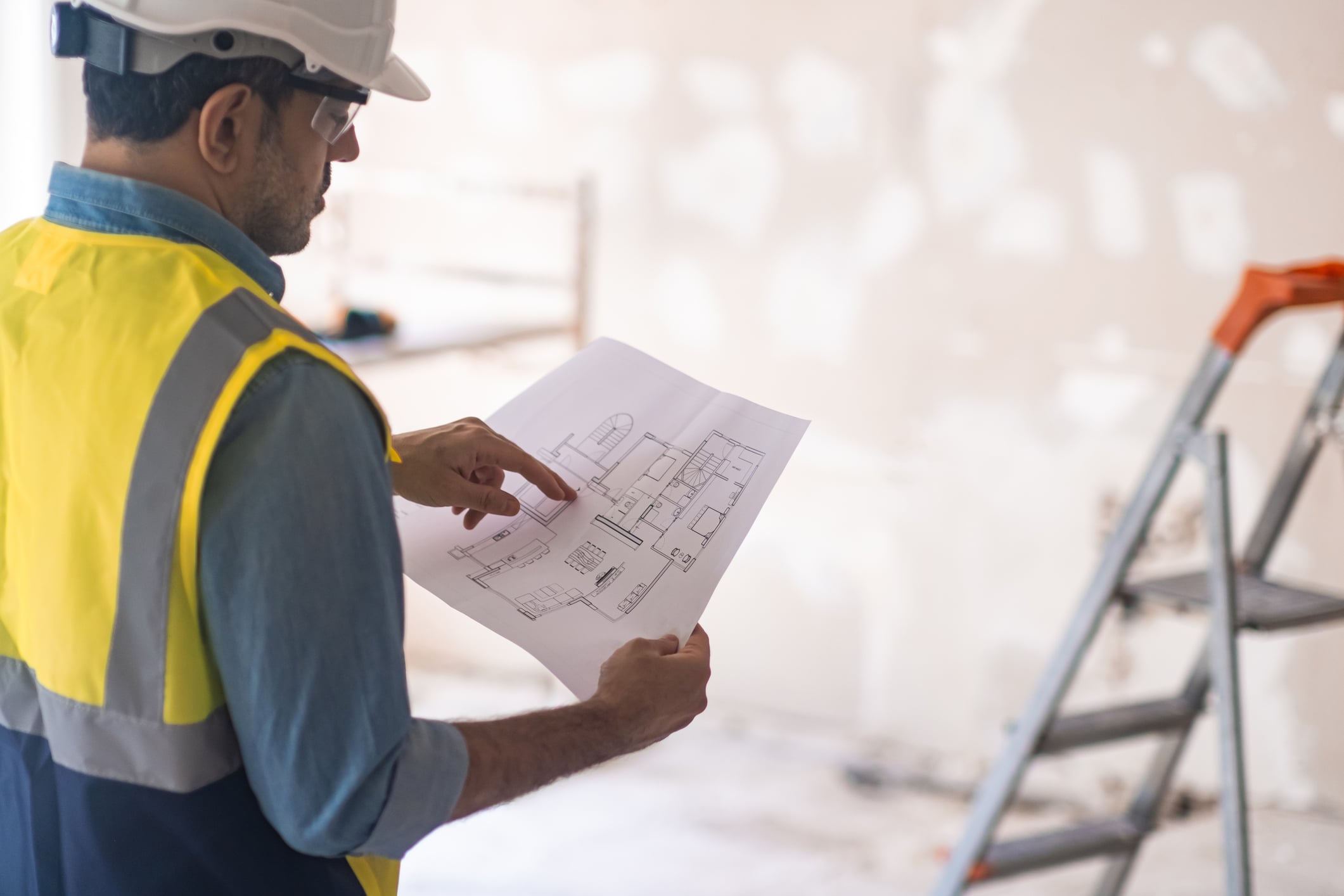
Choosing a Commercial Contractor: What Business Owners Should Expect
Hiring a commercial contractor doesn’t mean handing over the keys and disappearing until opening day. But it also shouldn’t mean spending every afternoon chasing subcontractors, checking deliveries, or trying to figure out why the schedule changed.
When choosing a commercial contractor, you should expect clear planning, realistic scheduling, trade coordination, cost tracking, jobsite supervision, safety management, and regular communication.
What you shouldn’t expect is a promise that nothing will ever change. Permits can take longer than expected. Materials can be delayed. Weather happens. The real standard is how your contractor manages those issues when they come up.
What Business Owners Should Expect at a Glance
- Your contractor should explain the scope, budget, schedule, and major assumptions before construction gets moving.
- You should know who is managing the project and who to contact when a decision is needed.
- Trade coordination, site supervision, safety, and quality control are core contractor responsibilities.
- Cost or schedule changes should come with an explanation, not appear as a surprise later.
- A strong contractor can manage risk, but no contractor can honestly control every outside variable.
What Should You Expect Before Construction Starts?
A good contractor starts managing the project before anyone shows up with tools.
This is where a lot of future problems can either be caught early or left sitting there until they become expensive.
Before construction begins, your contractor should be reviewing the plans, checking the scope, looking at the site, building the schedule, talking through the budget, and spotting questions that still need answers.
At Schonsheck, our general contracting process includes project planning, budgeting, scheduling, site review, risk identification, permitting, and coordination before and during construction.
That early work matters.
If a material has a long lead time, you want to know before the crew needs it. If a detail on the plans is unclear, that is easier to fix at a table than after a wall has already gone up.
Should a Contractor Promise a Final Price Before Everything Is Decided?
Not always.
A contractor should give you the clearest number possible based on the information available. But if drawings are still changing, finishes haven’t been selected, or site conditions are not fully known, some parts of the cost may still move.
What you should expect is honesty about that.
The contractor should be able to tell you what is included, what isn’t, what assumptions were made, and which decisions could still affect the price.
A vague number with no explanation is not very useful. A number with clear reasoning behind it is.
Should Your Commercial Contractor Manage the Schedule?
Yes. That is one of the main jobs.
Your contractor should build the construction schedule, coordinate the trades, watch material lead times, plan inspections, and keep an eye on the work that could hold up everything else.
That sounds simple on paper.
On a real jobsite, it may mean making sure the concrete work is finished before another crew arrives, checking that equipment will be delivered when the building is ready for it, or moving work around when something changes.
At Schonsheck, we use detailed project schedules as part of our commercial construction process and keep owners updated as the work moves forward.
Does a Good Contractor Guarantee the Schedule Will Never Change?
No.
That would be a nice promise to hear. It just wouldn’t be a very realistic one.
A municipality may take longer to review a permit. A supplier may push a delivery date. Severe weather may stop exterior work. An owner may decide to change part of the project halfway through.
A good contractor can’t control every one of those things.
What you should expect is early notice, a clear explanation of what changed, and a plan for what happens next.
That is a much better sign than someone pretending the original schedule can never move.
Who Should Coordinate the Subcontractors?
The general contractor should.
You shouldn’t have to call the electrician, plumber, HVAC contractor, and concrete crew yourself just to figure out who is working on the building next week.
Those trades may all be separate companies, but their work has to fit together.
That coordination is one of the biggest commercial contractor responsibilities.
The contractor should manage the trade schedule, solve conflicts, check that work follows the plans, and make sure one crew isn’t getting in the way of another.
For example, an electrical contractor may need access to a wall before drywall goes up. If that timing gets missed, you may end up opening finished work later.
Good coordination prevents a lot of that.
Does the General Contractor Perform Every Part of the Work?
Usually not.
Commercial projects often involve specialty contractors for electrical work, plumbing, roofing, concrete, HVAC, fire protection, and other trades.
The general contractor’s job is to bring those pieces together.
So even when the contractor is not personally installing every system, you should still expect them to know what is happening on site, who is responsible for each part, and how that work fits the larger schedule.
 What Communication Should You Expect During Construction?
You shouldn’t have to guess how the project is going.
That doesn’t mean you need an update every hour. It does mean there should be a clear rhythm for communication.
You should know what has been completed, what is coming next, which decisions you need to make, and whether anything is affecting the schedule or budget.
At Schonsheck, we include progress meetings, project documentation, cost tracking, and regular reporting as part of our construction process.
That gives the owner a clear picture without making them manage the site themselves.
Should a Contractor Tell You About Every Small Problem?
Probably not.
A superintendent may solve several small issues in a day that never need to reach your desk.
That is part of what you’re hiring the contractor to handle.
You should hear about problems when they affect the budget, schedule, scope, building performance, business operations, or a decision only you can make.
There is a difference between keeping you informed and pulling you into every small job-site decision.
A strong contractor knows that difference.
What Should You Expect When the Budget Changes?
You should expect an explanation.
Commercial construction can change after the contract is signed. Sometimes the owner adds something. Sometimes an existing condition is different from what everyone expected. A product may no longer be available, or a field condition may require another approach.
The important part is how those changes are handled.
AIA construction documents are built around clearly defined roles and responsibilities between owners, contractors, and architects, along with how changes to the work are handled.
If the price changes, you should understand why.
Should You Expect Zero Change Orders?
No.
A change order doesn’t automatically mean the project was poorly managed. AIA notes that change orders can result from owner-requested changes, unforeseen site conditions, weather delays, and other changes that arise during construction.
What matters is that the change is documented and explained.
You should know what changed, why it changed, what it costs, what it does to the schedule, and what decision is needed before the project moves ahead.
A surprise bill at the end is very different from a change that was discussed when it happened.
What Are a Commercial Contractor’s Safety Responsibilities?
Safety should be part of the project from the beginning.
The contractor should have a clear jobsite safety process, supervise construction work, and make sure crews understand the requirements for the work they are doing.
At Schonsheck, we include on-site safety management, inspections, training, and ongoing monitoring as part of our general contracting approach.
OSHA also places safety responsibilities on contractors and subcontractors depending on the work they control.
The main point for a business owner is simple: safety should be managed on purpose.
Is the Business Owner Responsible for Jobsite Safety Too?
The exact answer depends on the project and contract.
If your business remains open during construction, for example, there may be areas where your operations and the contractor’s work cross paths. Separate vendors or owner-hired contractors can also change who is responsible for certain activities.
That is why safety roles should be clear before work starts.
Assumptions are where trouble begins.
Should Your Contractor Handle Permits and Inspections?
In many commercial projects, yes, although the exact responsibility should be written into the project scope.
At Schonsheck, our permitting and planning services include permit coordination, documentation, communication with reviewing authorities, and support through required approvals.
That can take a lot off the owner’s plate.
But there is another side to this.
Can a Contractor Guarantee When a Permit Will Be Approved?
No.
A contractor can prepare the documents, submit them, answer reviewer questions, and follow up.
They can’t control how quickly a city or township reviews the application.
That doesn’t remove responsibility.
You should still expect the contractor to stay on top of the process, respond when something is needed, and tell you if the permit timeline starts affecting construction.
Good management doesn’t mean controlling the government review clock. It means not letting the application disappear into a black hole without anyone checking on it.
 What Shouldn’t You Expect Your Commercial Contractor to Control?
Accountability and control are not the same thing.
A contractor can’t control severe weather, city review times, every supplier delay, or hidden conditions buried behind walls and under floors.
They also can’t keep the original budget or schedule untouched if the owner adds work halfway through the project.
But once those issues are known, the contractor does control the response.
They can explain the problem. They can look at alternatives. They can update the schedule, document cost changes, call suppliers, coordinate the trades, and give you a clear recommendation.
That is where experience shows.
You are not hiring someone because nothing will ever go wrong.
You’re hiring them because somebody needs to know what to do when something does.
What Should the Contractor Expect From the Business Owner?
A strong construction relationship works both ways.
The contractor needs clear project goals, timely decisions, access to the property, and someone who has the authority to approve changes when they come up.
The owner also needs to make product and finish selections on time.
That can have a bigger effect than people realize.
Imagine a flooring product takes eight weeks to arrive. If the decision on which flooring to buy sits open for another four weeks, those four weeks don’t disappear just because the project still has an opening date.
Early decisions help the whole team keep moving.
Our article on how early Michigan businesses should plan construction covers the same issue. Permits, materials, design decisions, and coordination all take time before the work is visible on site.
How Can You Tell if Expectations Are Clear Before You Sign?
Ask direct questions.
Who will manage the project? How often will you receive updates? Who handles the subcontractors? How are changes priced? What happens if the schedule moves? Who is responsible for permits? What decisions will the contractor need from you?
Listen closely to the answers.
The goal is not to find a contractor who says yes to everything.
You want someone who can clearly explain what they are responsible for, what you are responsible for, what may change, and how the team will handle it when it does.
That kind of conversation tells you much more than a polished sales pitch.
Common Questions About Commercial Contractor Responsibilities
What Is a Commercial General Contractor Responsible For?
A commercial general contractor usually manages planning, scheduling, subcontractors, site supervision, safety coordination, quality control, documentation, and the construction work included in the contract. The exact responsibilities can change based on the contract and project delivery method.
Should a General Contractor Handle All Subcontractors?
If the subcontractors fall under the general contractor’s contract, the GC normally manages their scheduling, coordination, and work on site. Owners may still have separate vendors or equipment suppliers that need to be coordinated with the rest of the project.
Is a Commercial Contractor Responsible for Staying on Budget?
The contractor should track costs, explain changes, and manage the agreed construction budget. But the total can still change if the owner adds scope, unexpected conditions appear, or other changes covered by the contract occur.
What Should You Expect From a General Contractor During a Delay?
Expect a clear explanation of what caused the delay, what part of the schedule it affects, and what can reasonably be done next. A contractor may not control the original cause, but they should manage the effect it has on the project.
How Often Should a Commercial Contractor Give Updates?
There is no one schedule that fits every project. The communication plan should be agreed on early. Updates should happen often enough that you understand progress, upcoming decisions, budget concerns, and schedule risks without having to chase the contractor for basic information.
Clear Expectations Make Better Construction Partnerships
A good commercial contractor should take responsibility for planning, coordination, communication, safety, quality, cost tracking, and the construction work covered by the contract.
That doesn’t mean pretending every variable can be controlled.
The strongest projects start with both sides knowing who owns each decision, what happens when something changes, and how the team will keep moving when the original plan needs to adjust.
Start With a Contractor Who Sets Clear Expectations
Planning a commercial building, expansion, or renovation in Southeast or Southwest Michigan? At Schonsheck, Inc. we bring decades of general contracting experience, project management, and on-site coordination to commercial projects across the region.
Call (248) 669-8800 or contact us to talk through your scope, budget, and next steps.
Related Posts