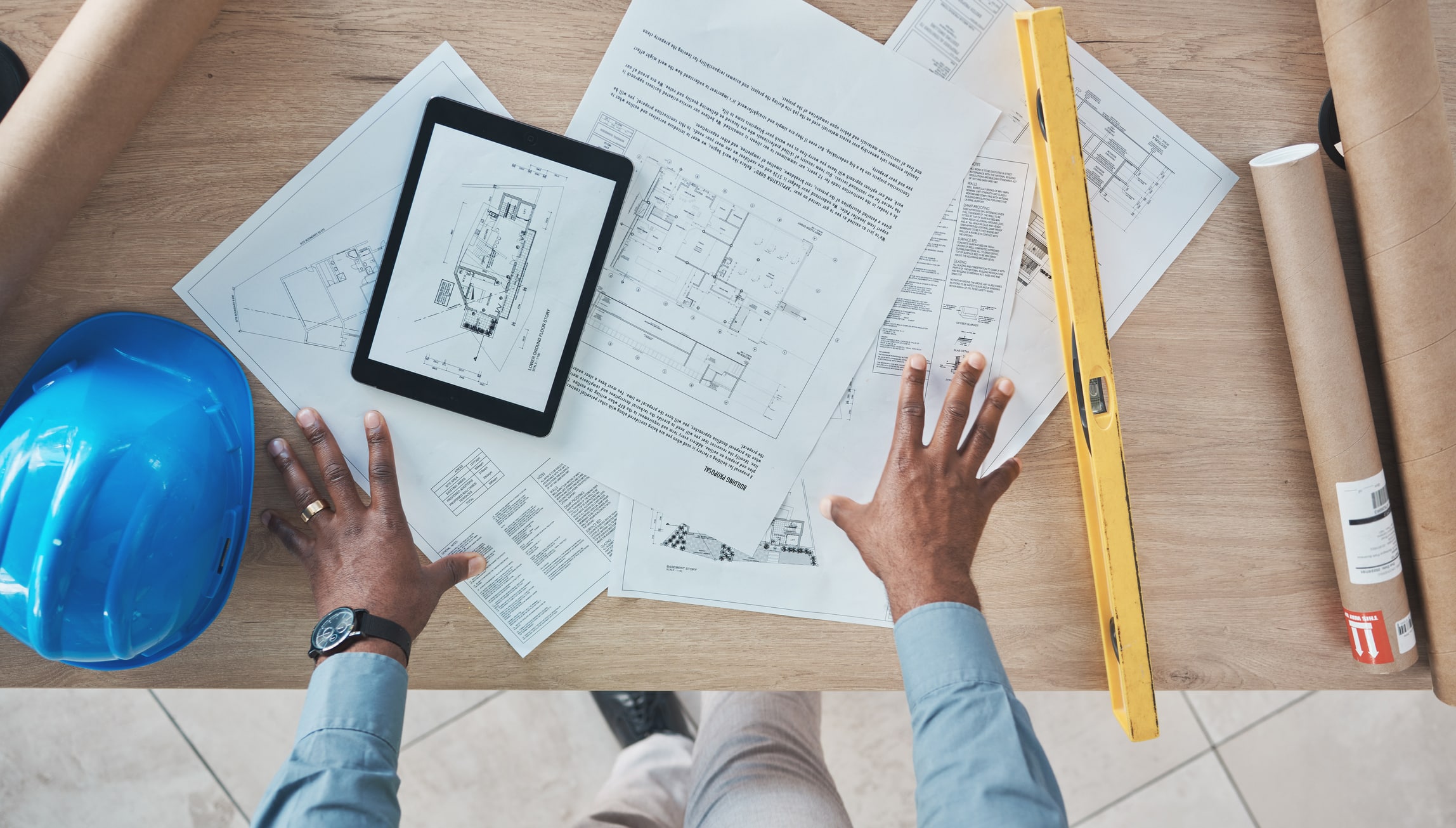
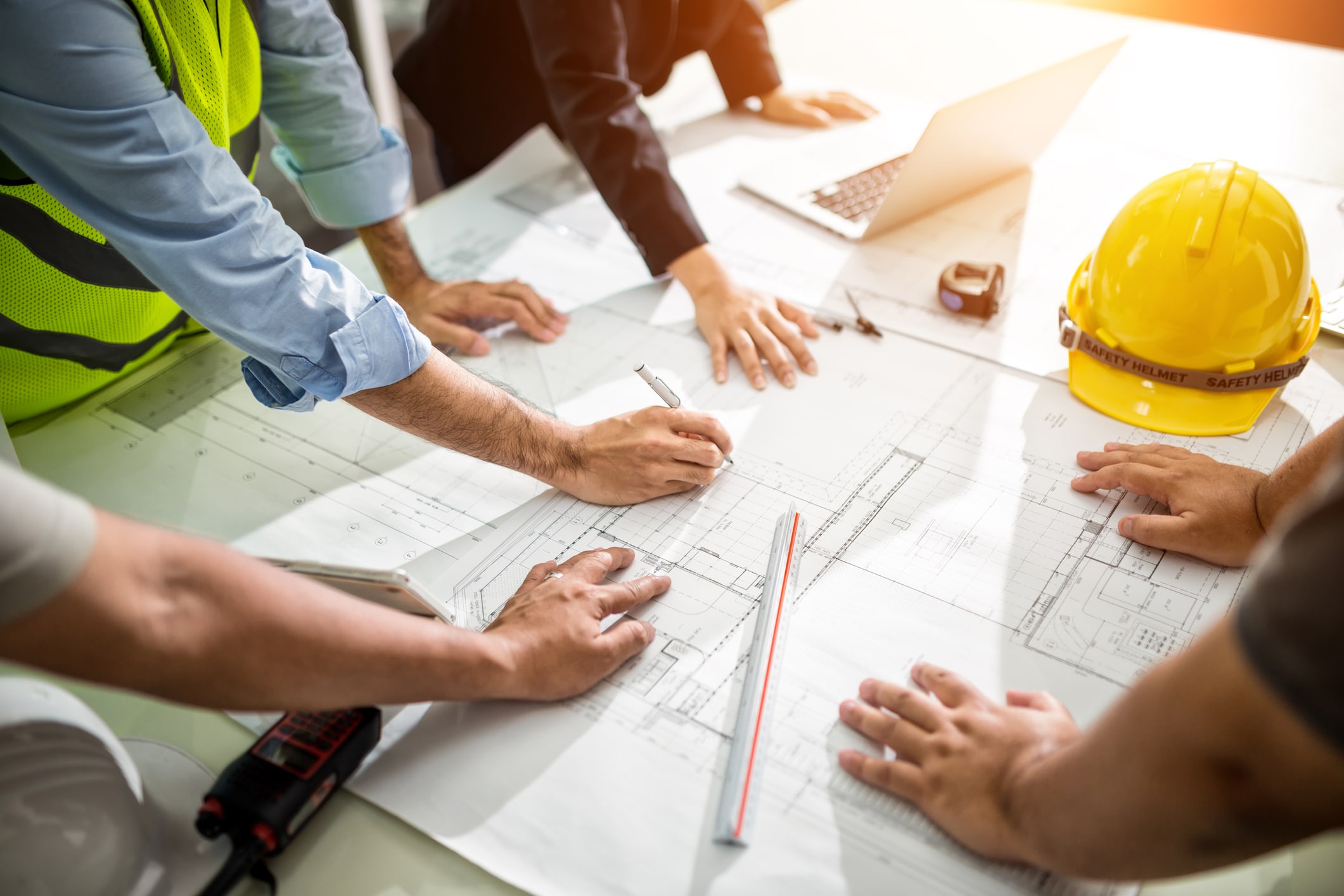
A business owner may choose an opening date and assume construction planning can wait until…
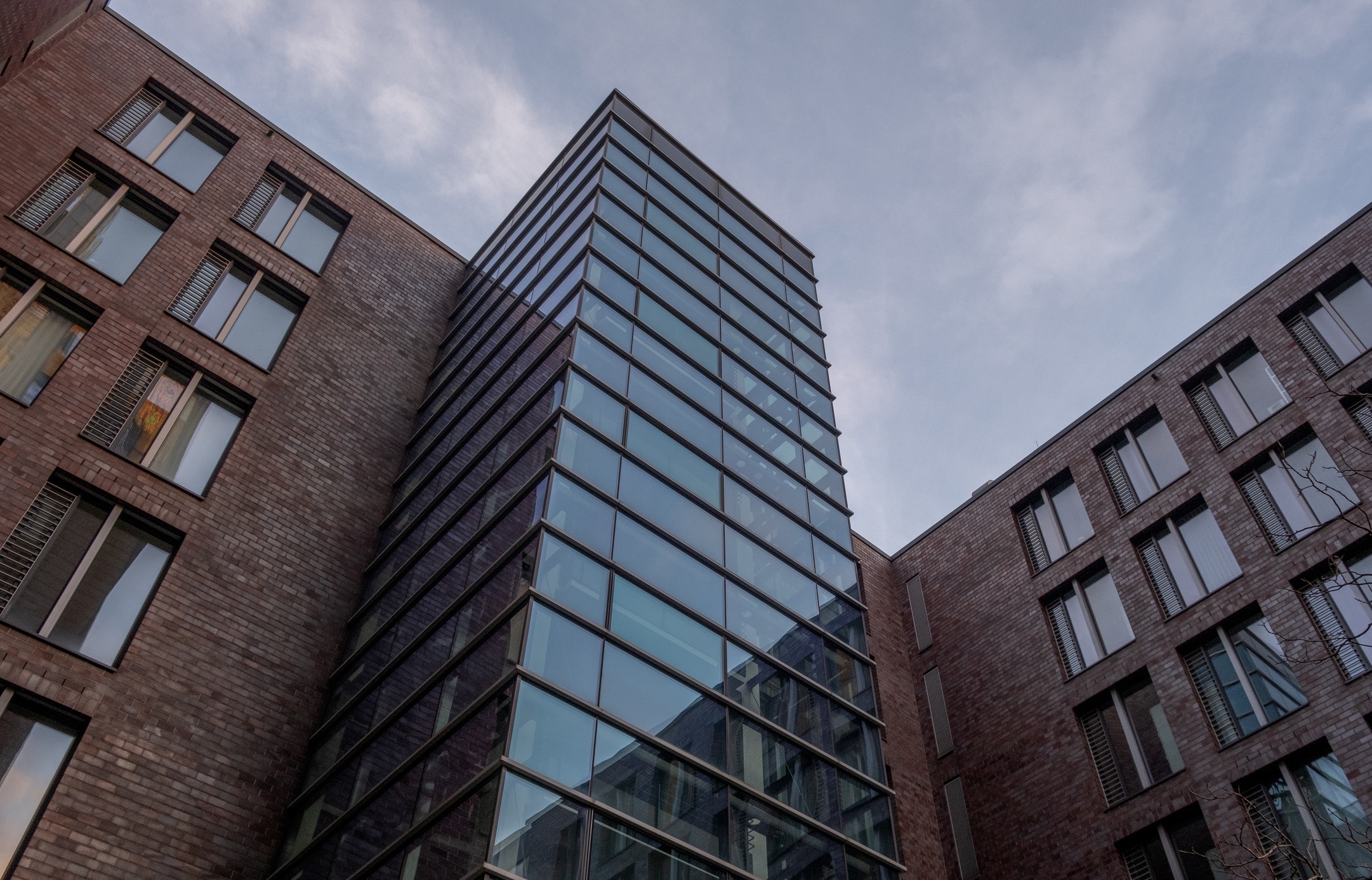
Your Building Is a Business Asset: How Quality Impacts Growth
When construction bids land on your desk, the lowest number can be hard to ignore. But that bill gets paid once. Your building will affect the business using it for years.
Good commercial building quality can shape repair costs, maintenance needs, comfort, energy use, and how easily the space changes as your company grows. So the better question is not only, “What will this building cost today?” It is also, “What will this decision mean for the business 10 or 20 years from now?”
What Business Owners Should Know at a Glance
- The lowest construction price doesn’t always mean the lowest long-term cost.
- Durable materials and good installation can reduce avoidable repairs and early replacement.
- A building planned for change can make future growth easier to handle.
- Layout, comfort, and reliability affect the people who use the building every day.
- Some construction decisions become much harder and more expensive to change after opening.
Why Should You Look Beyond the Upfront Construction Cost?
Construction cost matters. Nobody has an unlimited budget.
But the price of putting up the building is only one part of what that property will cost your business over time. You will also pay for utilities, maintenance, repairs, equipment replacement, renovations, and changes as the business grows.
That is where life-cycle cost comes into the conversation.
The National Institute of Standards and Technology uses life-cycle cost analysis to compare building choices based on their costs over time, rather than looking only at the first price. A choice that costs more during construction can sometimes cost less to own and maintain over the years.
That doesn’t mean you should pick the most expensive option every time. Far from it.
Does Higher Construction Cost Always Mean Better Quality?
No.
Spending more doesn’t automatically give you a better building. A high price can still buy something the business doesn’t need.
The real question is what you get for the extra money. A higher upfront cost may make sense if it gives you a longer service life, less maintenance, better energy performance, stronger durability, or an easier path for future expansion.
But if it adds nothing useful to the business, then it is simply more money spent.
Good planning means knowing the difference.
What Does Commercial Building Quality Look Like After Opening Day?
The real test starts once people begin using the building.
Employees show up every day. Customers come through the doors. Equipment runs. Deliveries arrive. Maintenance teams start dealing with the parts of the building most people never think about during design.
That is when construction quality becomes easier to see.
A well-built property should have doors and windows that work as expected, durable finishes in busy areas, roofing and exterior systems that handle weather properly, and mechanical and electrical systems that fit the building’s real use.
None of that sounds flashy. That is the point.
A building doesn’t need to impress you with complicated features. It needs to work.
How Can Small Construction Problems Become Bigger Business Costs?
Small problems rarely stay small when nobody catches them.
A poorly sealed exterior joint may let water into the building. A floor finish that can’t handle heavy traffic may need replacement years earlier than expected. Mechanical equipment placed in a tight corner can turn a routine service visit into a much bigger job.
Then there is the business disruption.
A repair may mean closing part of the building, moving staff, shutting down equipment, or asking customers to work around construction crews. The repair bill is only one part of the cost.
At Schonsheck, our commercial construction process includes quality checks during the project rather than waiting until the final walkthrough to find everything at once.
How Does Long-Term Building Performance Affect Operating Costs?
Two buildings can look almost identical on opening day and cost very different amounts to run.
Heating, cooling, lighting, water use, equipment reliability, and maintenance access all affect long-term building performance. Over enough years, small differences can turn into serious money.
The ENERGY STAR business case for commercial buildings connects better building energy performance with lower utility and operating expenses.
Energy use is only part of the picture, though.
A building also performs better when systems are easy to inspect, service, and replace.
Why Does Maintenance Access Matter During Design?
 Because someone will eventually need to reach that equipment.
Filters need changing. Motors fail. Electrical equipment needs inspection. Mechanical parts wear out.
If important equipment sits behind walls, above cramped ceilings, or in places that are hard to reach safely, every service call becomes more difficult.
Good planning asks boring questions early because boring questions can save money later.
Can a technician reach the equipment? Is there room to remove a large part if it fails? Will a repair shut down part of the business?
Those details matter more than they seem during design.
How Can Construction Support Business Growth Later?
Your business may look very different five years after opening.
You may hire more people, add equipment, increase inventory, take on another production line, or need more customer space. That is why construction for business growth should consider more than what the company needs today.
You do not have to build a huge empty addition just in case.
But it makes sense to think about realistic future changes while the site and building are still being planned.
What Should Be Planned With Future Expansion in Mind?
Some decisions can make future changes much easier.
That may include electrical capacity, utility locations, parking, loading areas, structural capacity, interior layouts, and where a future addition could connect to the existing building.
The point is simple. Do not block tomorrow’s growth with a decision that saves a little money today.
A wall can be moved later. A poor site layout or undersized utility setup can be much harder to fix.
What Does Future-Ready Construction Look Like in Practice?
Our work for Nagel Precision gives a useful example.
Our company completed several design-build expansions for the Ann Arbor manufacturer. As part of that work, end walls and crane rails were designed to support future building additions without requiring extra columns or supports later.
That is practical planning.
The owner didn’t need to build every future addition at once. But the existing structure was prepared so growth would be less complicated when the time came.
Can Your Building Affect How People See Your Business?
Yes, although the building alone can’t create a good reputation.
People notice the space they walk into.
A medical office with confusing hallways and uncomfortable waiting areas creates frustration before the patient sees anyone. A retail store with poor lighting makes products harder to see. An office with temperature problems can become an everyday complaint for employees.
Clean finishes, clear entrances, comfortable spaces, useful layouts, and systems that work all shape that experience.
Our commercial project portfolio includes professional offices, healthcare facilities, retail spaces, industrial buildings, and other properties where appearance and day-to-day use both matter.
Does Building Quality Matter to Employees Too?
Yes.
Employees deal with the building for hours every day. They notice temperature, lighting, noise, parking, room layout, restroom access, and equipment problems pretty quickly.
A building that constantly creates small hassles can wear people down.
The U.S. General Services Administration has also found that high-performance buildings can deliver better occupant satisfaction along with lower operating costs. You can read more about its high-performance building research here.
No building will make every employee happy. But basic comfort and function matter.
When Can a Lower Upfront Price Cost More Later?
Saving money during construction is not automatically a bad decision.
Sometimes a simpler material or design choice does the job perfectly well. That is good value.
The trouble starts when a lower price removes something the business will need later.
Maybe a cheaper floor wears out quickly under heavy traffic. Perhaps the electrical system leaves no room for planned equipment. Or a design choice makes a future addition much harder than it needed to be.
Before approving a cost-saving change, ask:
- What are we saving today?
- Does this change how long the material or system should last?
- Will maintenance become harder or more frequent?
- Could this limit a planned expansion or equipment change?
- What might it cost to change this decision later?
Sometimes the cheaper option still wins. That is fine.
At least you know what you are trading.
How Does Design-Build Keep Long-Term Value in the Conversation?
Many decisions that affect a building 10 years from now happen before construction starts.
Materials are chosen. Mechanical systems are sized. Structural choices get locked in. Future expansion may either stay possible or quietly become harder.
That is where bringing design and construction people into the same conversation can help.
At Schonsheck, our design-build services bring architects, engineers, and construction professionals into one project team. This gives the team a chance to compare design choices with cost, material availability, long-term use, and the realities of building the project.
Why Is Early Contractor Input Useful?
Contractors see details through a different lens.
They may notice that a material will be difficult to maintain, a piece of equipment will be hard to replace, or a design detail will cause trouble in the field.
Those questions are easier to answer while the plans can still change.
Once the building is up, the same fix may involve demolition, downtime, and a much larger bill.
 What Should Business Owners Look for in a Long-Term Building?
Don’t stop at asking, “Can we build this within budget?”
Ask what happens after opening.
Will the layout still make sense if the company grows? Which materials will need the most maintenance? Can major equipment be reached and replaced without tearing half the building apart?
You should also ask how future electrical, mechanical, or space needs might change.
A good contractor should be able to have that conversation without pushing the most expensive answer every time. Sometimes the smartest choice is a premium product. Sometimes it is not.
The important part is knowing why.
Common Questions About Commercial Building Quality
What Does Construction Quality Mean in a Commercial Building?
Commercial building quality means the design, materials, systems, and finished work fit the building’s intended use and perform as expected over time. It also means the project follows the agreed drawings and specifications instead of cutting corners that create problems later.
Is the Lowest Commercial Construction Bid Usually the Best Value?
Not always. A lower bid may be a good value when the scope, materials, and quality are comparable. But owners should check what each price includes and whether one option could lead to higher maintenance, earlier replacement, or more difficult future changes.
How Does a Commercial Building Support Business Growth?
A building can support growth when its structure, utilities, site, and layout leave practical room for change. That may include added equipment, more staff, a new department, interior changes, or a future building addition.
How Long Should a Commercial Building Last?
There is no single lifespan for every commercial building. Materials, structural systems, weather, maintenance, building use, and future renovations all affect how long it performs well. Individual systems and finishes will also need repair or replacement at different times.
Build for the Years After Opening Day
 A commercial building is more than the bill for getting it built. It becomes part of your operating costs, growth plans, employee experience, and ability to change when the business changes.
The goal is not to spend more everywhere. It is to put money into decisions that keep making sense years after opening day.
Build a Commercial Space Around Your Long-Term Goals
Planning a commercial building, expansion, or renovation in Michigan? Schonsheck, Inc. brings design, engineering, and construction experience together to help businesses make choices with long-term performance in mind.
Call (248) 669-8800 or contact Schonsheck to discuss your project.
Related Posts