 What This All Means For The Coming Year
If you’re hiring a design build construction company, you should expect one team to manage…
A Year of Sustainable Commercial Construction and What’s Ahead for 2026
Reflecting on a Year of Sustainable Commercial Construction: Trends and Innovations for 2026
Construction trends in sustainable development grew rapidly over the past year as more businesses pushed for buildings that support efficiency, resilience, and long-term value. You’ve probably noticed how green innovations have shifted from optional upgrades to essential planning tools for any commercial project.
The industry is moving toward designs that use fewer resources while delivering stronger performance. This past year showed how much progress can happen when new technologies and better methodologies come together.
In this post, we look at some of the biggest successes of the last twelve months, while we dig into what those achievements mean for sustainable construction as we move toward 2026.
At a Glance
- Sustainable materials and smart design helped reduce waste and energy use.
- Smart building tech and renewable energy systems improved efficiency.
- Modular methods supported faster, greener, and more flexible builds.
- Innovations from this year set the stage for smarter construction in the coming year, and beyond.
Major Trends in Sustainable Commercial Construction
Sustainable construction continued to expand as organizations looked for ways to reduce environmental impact without sacrificing quality or performance. Many commercial projects shifted toward green innovations that help conserve resources, improve comfort, and lower long-term operating costs.
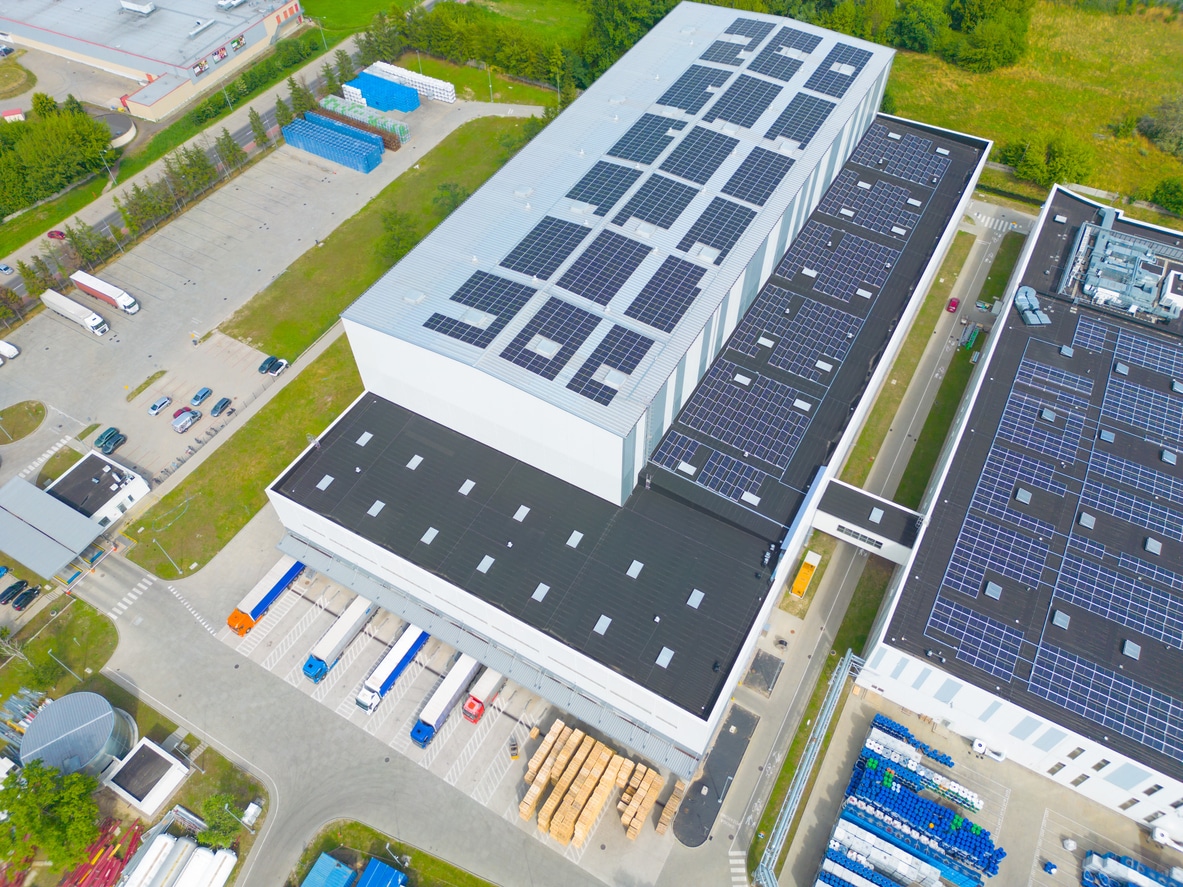
Renewable energy integration also gained ground this year. Solar power, geothermal systems, and higher efficiency HVAC equipment became increasingly common in commercial developments.
Smart building technologies played a major role as well. Businesses leaned into automation tools, sensors, and connected systems that help monitor building performance in real time. With better insight into energy usage, airflow, and occupancy patterns, many owners saw meaningful improvements in efficiency and tenant comfort.
Finally, flexible construction approaches shaped the year’s most successful projects. Modular design and adaptable layouts made it easier to future-proof buildings and reduce waste during the construction process.
Key Innovations That Defined This Past Year
This past year delivered a wave of innovation that strengthened sustainable commercial construction and set higher expectations for long-term performance. These advancements helped reduce environmental impact while improving efficiency and adaptability. Here are the developments that stood out across the industry:
- Growth in sustainable and recycled materials that lowered carbon output without compromising durability.
- More attainable net-zero building models thanks to better insulation, improved air sealing, and smarter building envelopes.
- Rapid expansion of smart building technologies has improved energy tracking and helped owners adjust heating, cooling, and lighting more efficiently.
- Wider adoption of modular construction methods that reduce waste and support faster, cleaner project delivery.
- Improved indoor environmental quality solutions, such as low-VOC finishes and upgraded filtration options, that created to create healthier commercial spaces.
- These innovations worked together to create buildings that perform better, cost less to operate, and stay adaptable for years.
 What This All Means For The Coming Year
The progress made this past year created a strong foundation for the next phase of sustainable construction. These gains aren’t isolated improvements. They’re pieces of a larger shift toward smarter, cleaner, and more resilient buildings. Here’s what this means for the new year.
- They open the door to smarter automation – Enhanced monitoring tools and analytics will help commercial buildings adjust to real-time conditions and reduce wasted energy.
- They support stronger climate resilience strategies – Better materials and airtight building envelopes help your space stay efficient and durable across changing weather patterns.
- They encourage the continued rise of electrification – Heat pumps, renewable energy systems, and high-efficiency equipment are becoming more accessible and practical for large commercial projects.
- They make a flexible design more achievable – Adaptive layouts and modular components let your building evolve with your needs, which reduces renovation waste and long-term costs.
Schonsheck’s Role in Advancing Sustainable Commercial Construction
We’re committed to using sustainable construction strategies that support long-term performance and reduce waste from the very beginning of each project. Our design-build approach keeps every stage connected, which helps us catch efficiency opportunities early and make smarter material decisions. You get a project team that’s focused on value, durability, and environmental responsibility from concept through completion.
We also look for ways to incorporate new technologies that improve building performance. Smart systems, renewable energy options, and advanced insulation materials help you reach higher efficiency standards with confidence. When we evaluate design choices, we consider the full life cycle of the building, so you’re getting solutions that hold up over time.
Our commitment to sustainability extends beyond materials and systems. We plan each build with flexibility in mind so your commercial space can evolve as your business grows. This reduces future renovation waste and helps you avoid costly structural changes later.
Moving Toward Smarter, Greener Commercial Building
The past year proved just how quickly sustainable construction can advance when creativity and technology work together. You’ve seen stronger materials, smarter building systems, and more adaptable methods, all helping reshape commercial construction as a whole. These changes aren’t trends that fade. They’re part of a bigger shift toward buildings that perform better, last longer, and support environmental responsibility.
As we continue into 2026, the focus on efficiency, resilience, and flexibility will only grow. Businesses want spaces that work hard for them while keeping operating costs low. They also want structures that can adapt to new technologies and environmental expectations. We’re ready to guide you through that transition with solutions that balance innovation and practicality.
Sustainable Commercial Construction Support for Michigan Businesses
If you’re planning a commercial project for 2026, we’re ready to help you explore sustainable construction strategies that support long-term value. Our team can guide you through material choices, energy efficiency options, and design-build solutions that fit your goals. Contact us online, or call us at (248) 669-8800 today to start planning a smarter, greener commercial space.
Related Posts